

Foto av Sharrie Shaw

Hotell i Centrala Solo
 Ändra digBoka hotell med gratis avbokning
 Var kräsenSök bland nästan en miljon boenden i hela världen
Se priser för dessa datum
Ikväll
Imorgon
Till helgen
Nästa helg
Våra rekommendationer för hotell i Centrala Solo


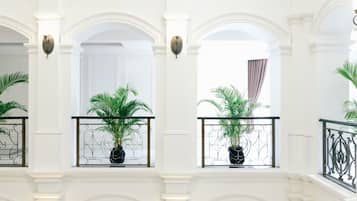

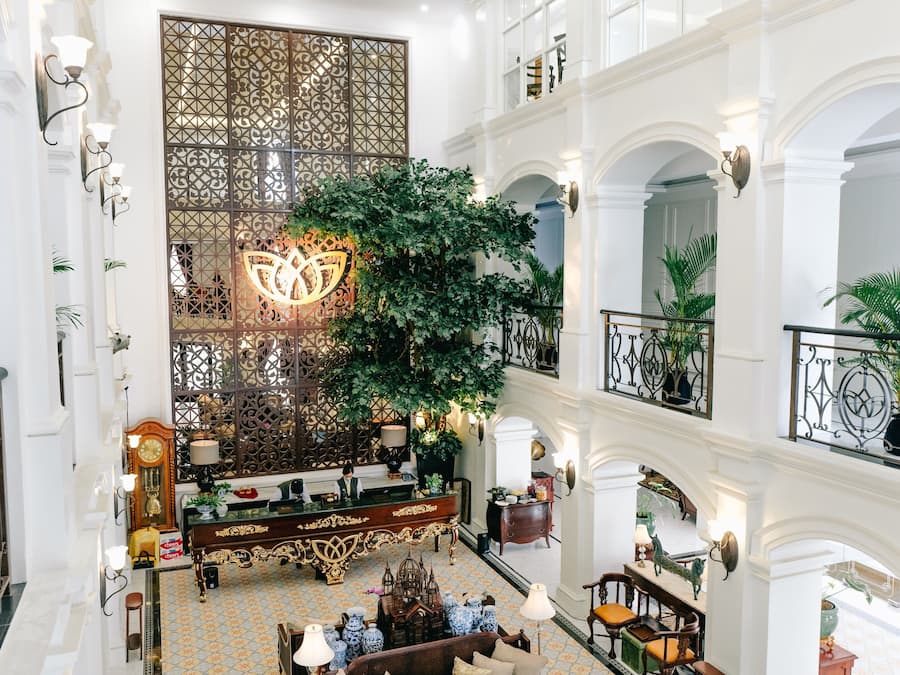
1. Mahalaya The Legacy Solo
Mahalaya The Legacy SoloCentrala Solo
9.0 av 10, Underbart, (7 recensioner)
“ロビーの吹き抜けが気持ちいいコロニアル風ビルのホテル。外出から戻り、レモングラスの香りが漂うロビーに入るとほっとしました。
滞在中、私の電子機器の不具合が原因で部屋が停電してしまったのですが(恐らくヒューズが飛んだ)、夜遅い時間にもかかわらずすぐにエンジニアが対応してくれ助かりました。
プールは小さく、プールサイドのスペースもあまりないので泳ぐのが好きな人には少し物足りないかもしれません。
プールサイドのカフェで滞在中1回、アフタヌーンティーのサービスがあり、インドネシアのお菓子が中心の素敵なセットで楽しくいただきました。また、ここのカフェはビールも提供しています。
メインダイニングは最上階にありますが、朝食会場も兼ねていて、カジュアルな雰囲気。夜はあまり利用者がないように見受けられました。
すぐ近くにショッピングモールがあり、ちょっとした買い物や上階のフードコートでの食事などに便利です。”

MIZUHO
Priset är 355 kr
inklusive skatter och avgifter
20 sep. – 21 sep.


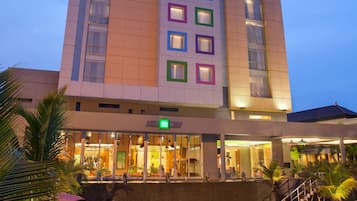
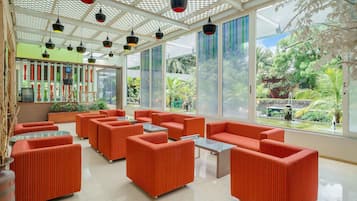
2. ibis Styles Solo
ibis Styles SoloCentrala Solo
8.2 av 10, Mycket bra, (109 recensioner)
“Room nice and clean, staff was great and nice, breakfast was good and delicious and has pool is a plus.”

Endro
Priset är 249 kr
inklusive skatter och avgifter
19 sep. – 20 sep.

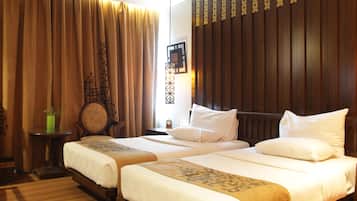

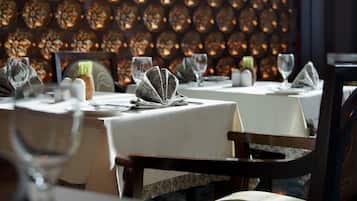
3. The Royal Surakarta Heritage - Handwritten Collection
The Royal Surakarta Heritage - Handwritten CollectionCentrala Solo
8.2 av 10, Mycket bra, (174 recensioner)
“Great hotel in a city with culture and athmosphere, but lackning tourist infrastructure. Good gym, small but nice swimming pool. Nice restaurant.”

Håkan
Priset är 359 kr
inklusive skatter och avgifter
22 sep. – 23 sep.
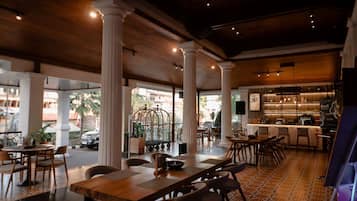
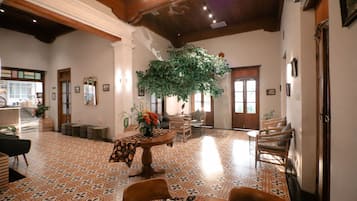

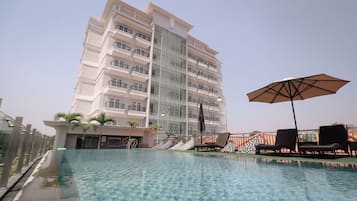
4. FIM by Zigna
FIM by ZignaCentrala Solo
9.4 av 10, Enastående, (6 recensioner)
“The hotel is an excellent place to stay. The hotel itself is not special or fancy, but it is well-run, clean, and located in the center of Solo. The breakfast buffet is excellent, the restaurant is good, and the hotel also has a nice cafe with an outside seating area. They featured life music at the cafe on weekend evenings. We saw no other foreign guests, which we saw as a plus. Many staff members speak good English.”
Erzo
Priset är 324 kr
inklusive skatter och avgifter
21 sep. – 22 sep.
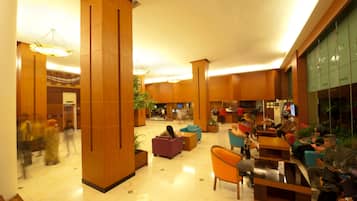


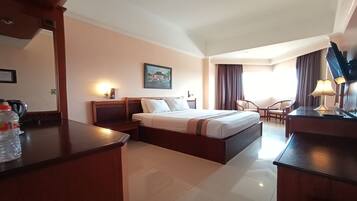
5. Hotel Asia
Hotel AsiaCentrala Solo
6.0 av 10, (12 recensioner)
“Properti kurang terawat”

Giant
Priset är 260 kr
inklusive skatter och avgifter
19 okt. – 20 okt.
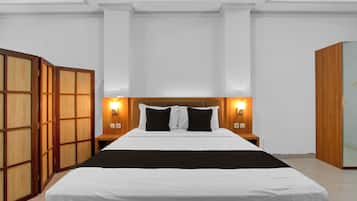
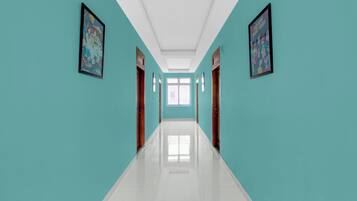

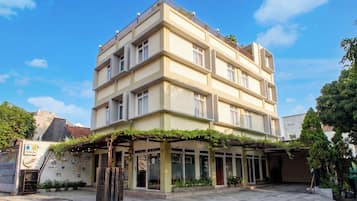
6. Collection O near Stasiun Solo Balapan f
Collection O near Stasiun Solo Balapan fCentrala Solo
Priset är 60 kr
inklusive skatter och avgifter
20 sep. – 21 sep.

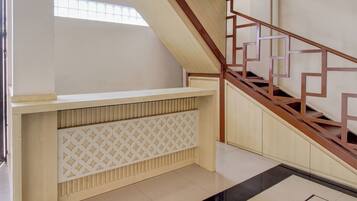

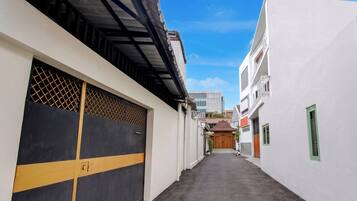
7. Hotel O near Pasar Gede Solo formerly In
Hotel O near Pasar Gede Solo formerly InCentrala Solo
Priset är 74 kr
inklusive skatter och avgifter
20 sep. – 21 sep.
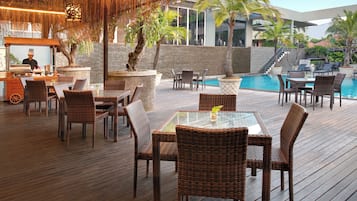

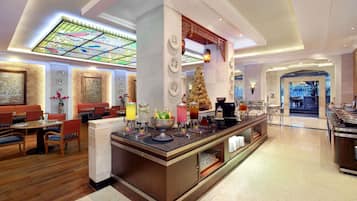
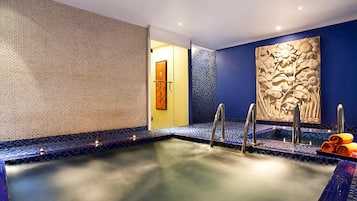
8. Novotel Solo
Novotel SoloCentrala Solo
8.2 av 10, Mycket bra, (122 recensioner)
“Good location, close to Solo Balapan station and several traditional markets. Facilities looks a little bit old but it’s fine.”
Ela
Priset är 376 kr
inklusive skatter och avgifter
4 okt. – 5 okt.


9. Hotel O near Taman Sriwedari formerly In
Hotel O near Taman Sriwedari formerly InCentrala Solo
Priset är 85 kr
inklusive skatter och avgifter
30 sep. – 1 okt.
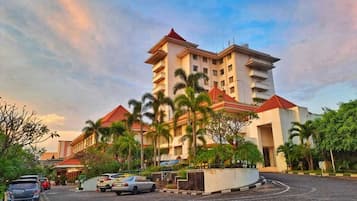

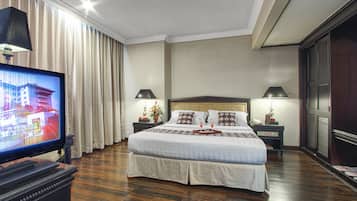

10. Sahid Jaya Hotel Solo
Sahid Jaya Hotel SoloCentrala Solo
7.2 av 10, Bra, (24 recensioner)
Priset är 482 kr
inklusive skatter och avgifter
19 okt. – 20 okt.
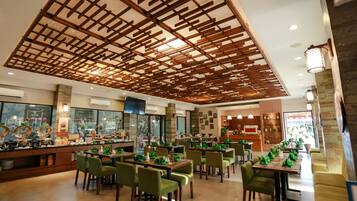
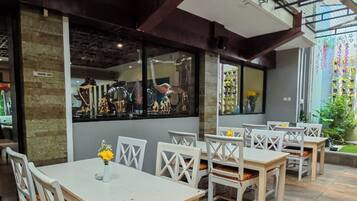

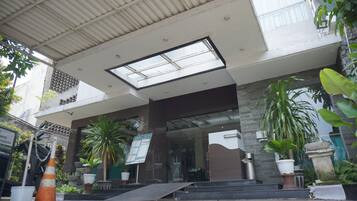
11. Loji Hotel Solo by Wstay
Loji Hotel Solo by WstayCentrala Solo
7.2 av 10, Bra, (17 recensioner)
“The room and bed were big and comfortable, but no fridge and no safebox. Breakfast was really good, though. The hotel is very close to the Balapan train station, which is nice. It’s a decent budget place, but what makes me unable to recommend is because how dangerous the roads are around the hotel. I stay at places all over SE Asia, so I’m totally used to the motorbike madness. This place, though . . . It takes the cake.”
James
Priset är 174 kr
inklusive skatter och avgifter
18 okt. – 19 okt.

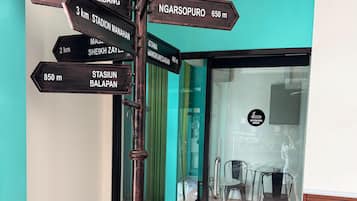

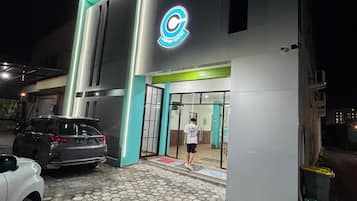
12. Comfort Centre Residence Solo
Comfort Centre Residence SoloCentrala Solo
Priset är 202 kr
inklusive skatter och avgifter
20 sep. – 21 sep.
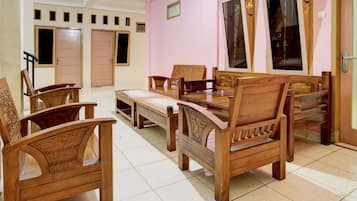
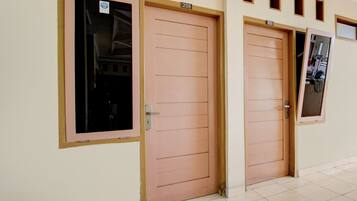


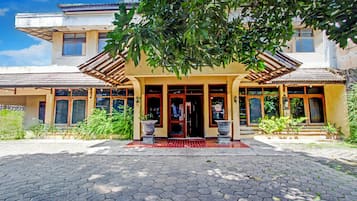

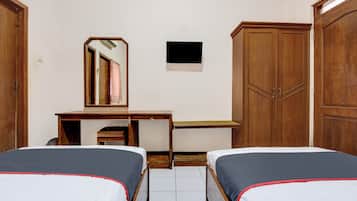

14. Hotel O Solo near Stasiun Solo Balapan formerly Hotel Trihadhi
Hotel O Solo near Stasiun Solo Balapan formerly Hotel TrihadhiCentrala Solo
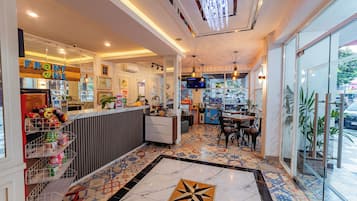


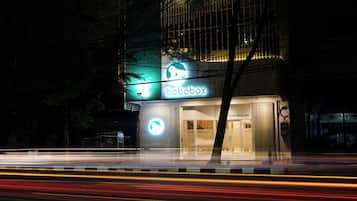
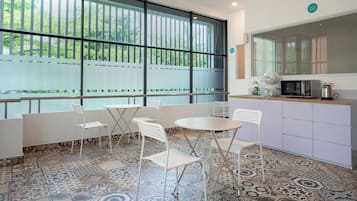


16. Bobopod Slamet Riyadi Solo
Bobopod Slamet Riyadi SoloCentrala Solo
10.0 av 10, Enastående, (1 recension)
“matur nuwun”
Sri
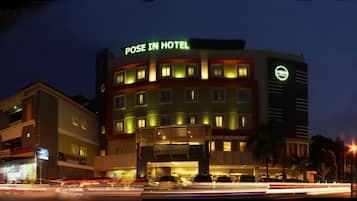

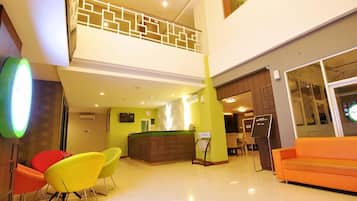

17. Pose in Solo by Wstay
Pose in Solo by WstayCentrala Solo
6.8 av 10, (17 recensioner)
“Lekkage plafond en dat is al aangemeld maar was nog geen reactie van de personeel.”

Pasri
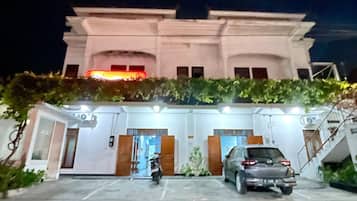


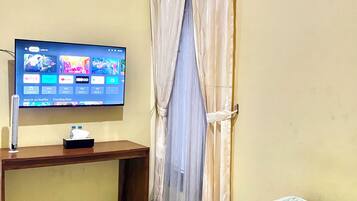

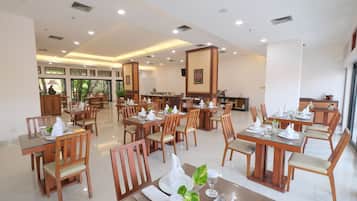
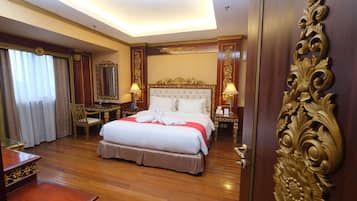

19. GRAND ORCHID HOTEL SOLO
GRAND ORCHID HOTEL SOLOCentrala Solo
Priset är 278 kr
inklusive skatter och avgifter
20 sep. – 21 sep.



20. Rumah Turi Eco Hotel
Rumah Turi Eco HotelCentrala Solo
7.8 av 10, Bra, (15 recensioner)
“We were disappointed with this hotel, although that may also be coloured by the fact we didn’t like Solo very much. When we first got in the room, it was very musty smelling (which is being generous about its smell). The room was very basic (which is fine) but there was no place at all to hang out outside despite having a big garden space. The garden is all plants and water features, no tables. The location was convenient to the train station but not really to “downtown”. Walking in Solo is not...

Rosann
Priset är 144 kr
inklusive skatter och avgifter
18 okt. – 19 okt.
Lägsta pris per natt som vi hittade under de senaste 24 timmarna, baserat på 1 natt för 2 vuxna. Priser och tillgänglighet kan ändras. Ytterligare villkor kan gälla.
Jämför populära hotell i Centrala Solo



Platser att bo på i Centrala Solo
Hitta de bästa områdena i Centrala Solo för aktiviteterna du gillar mest. Läs mer om Centrala Solo
Läs mer om Centrala Solo
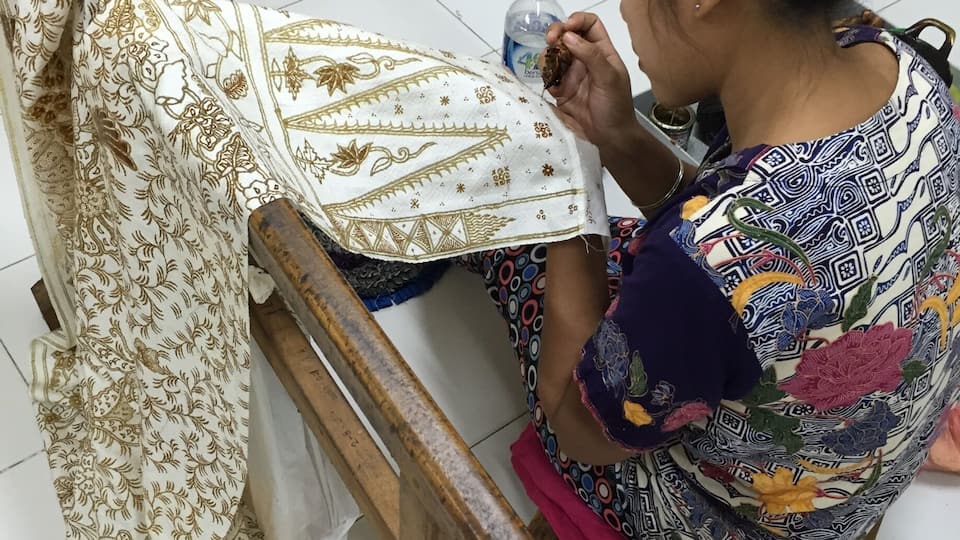
Foto av Sharrie Shaw
Foto för fritt bruk av Sharrie Shaw
Banjarsari
När du besöker Banjarsari måste du passa på att besöka sevärdheter som Solo Paragon Lifestyle-gallerian och Balekambangs stadspark.
Laweyan
Om sevärdheterna i Laweyan inte faller i din smak kan du utforska platser som Solo Paragon Lifestyle-gallerian och Solo Square.
Recensioner av topphotell i Centrala Solo
Mahalaya The Legacy Solo
10/10 Fantastiskt