

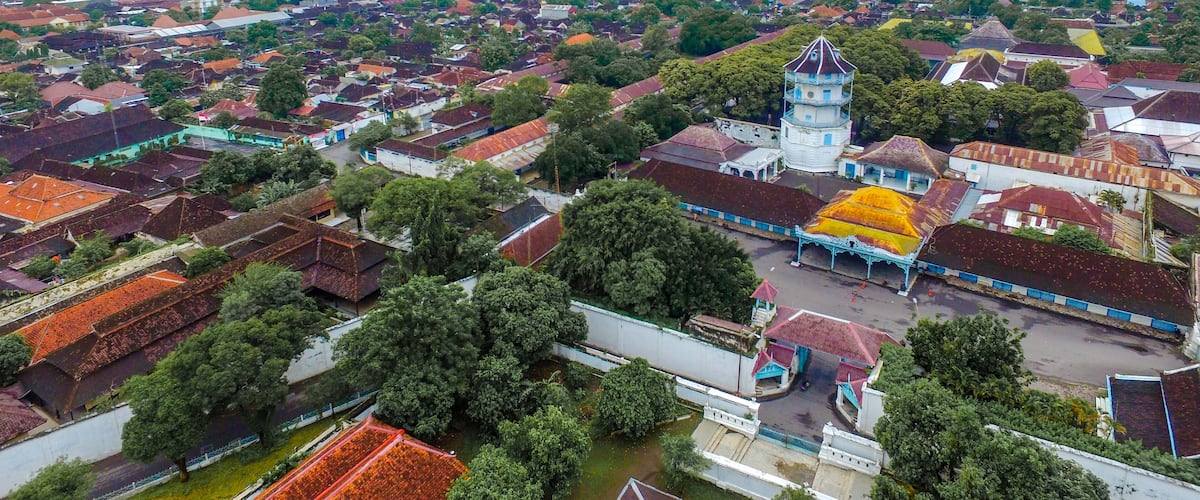
Guide till billiga hotell nära Adisumarmo Intl.
 Ändra digBoka hotell med gratis avbokning
 Var kräsenSök bland nästan en miljon boenden i hela världen
Se priser för dessa datum
Ikväll
Imorgon
Till helgen
Nästa helg
Våra rekommendationer för hotell i närheten av Surakarta (SOC-Adisumarmo Intl.)




1. Ramada Suites by Wyndham Solo
Ramada Suites by Wyndham Solo3 km från Surakarta (SOC-Adisumarmo Intl.)
8.6 av 10, Utmärkt, (7 recensioner)
Priset är 358 kr
inklusive skatter och avgifter
16 sep. – 17 sep.

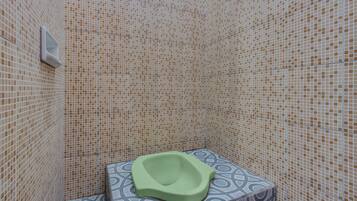
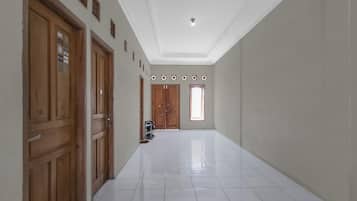

2. OYO 94931 Mardi Homestay Syariah
OYO 94931 Mardi Homestay Syariah0,6 km från Surakarta (SOC-Adisumarmo Intl.)
Priset är 36 kr
inklusive skatter och avgifter
16 sep. – 17 sep.


3. Ayra Hotel Airport Solo
Ayra Hotel Airport Solo0,9 km från Surakarta (SOC-Adisumarmo Intl.)
Priset är 150 kr
inklusive skatter och avgifter
29 sep. – 30 sep.
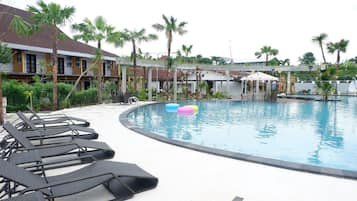
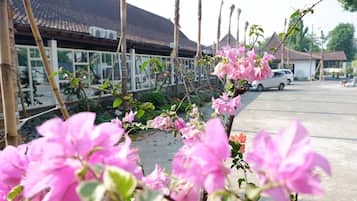

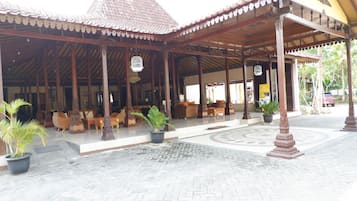
4. Ataya Hotel
Ataya Hotel1 km från Surakarta (SOC-Adisumarmo Intl.)
Priset är 97 kr
inklusive skatter och avgifter
16 sep. – 17 sep.
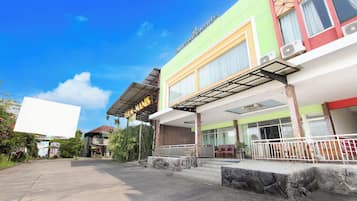
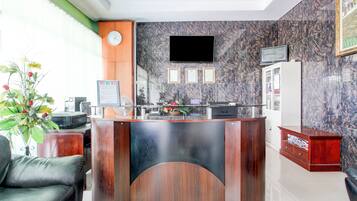

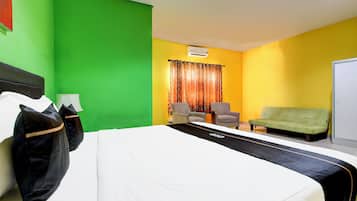
5. Hotel O Jalan Slamet Riyadi Near Bandara Adi Soemarmo Formerly Amanah Sejahtera
Hotel O Jalan Slamet Riyadi Near Bandara Adi Soemarmo Formerly Amanah Sejahtera0,8 km från Surakarta (SOC-Adisumarmo Intl.)
Priset är 53 kr
inklusive skatter och avgifter
29 sep. – 30 sep.




6. Alila Solo, Java
Alila Solo, Java6,5 km från Surakarta (SOC-Adisumarmo Intl.)
9.2 av 10, Underbart, (152 recensioner)
“Excellent hotel with great food/breakfast and super quality of service from the staff.”

Björn
Priset är 701 kr
inklusive skatter och avgifter
20 sep. – 21 sep.


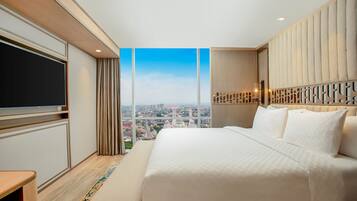

7. Swiss-Belhotel Solo
Swiss-Belhotel Solo9,2 km från Surakarta (SOC-Adisumarmo Intl.)
9.2 av 10, Underbart, (43 recensioner)
“The hotel was very nice and the staff was very courteous and helpful. We truly enjoyed our stay and look forward to returning in the future.”

STAN
Priset är 523 kr
inklusive skatter och avgifter
20 sep. – 21 sep.


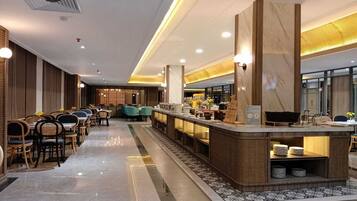
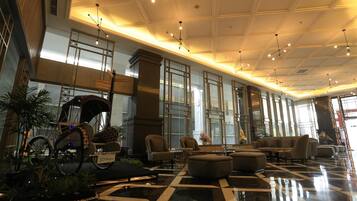
8. Zigna Kampung Batik
Zigna Kampung Batik8,1 km från Surakarta (SOC-Adisumarmo Intl.)
10.0 av 10, Enastående, (4 recensioner)
Priset är 347 kr
inklusive skatter och avgifter
16 sep. – 17 sep.
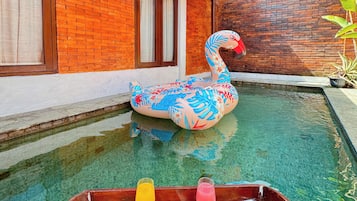


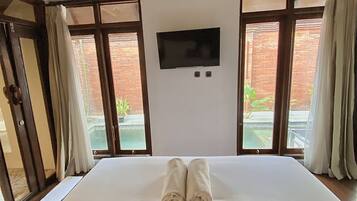
9. Chrome Hotel & Resort Solo
Chrome Hotel & Resort Solo3,6 km från Surakarta (SOC-Adisumarmo Intl.)
8.4 av 10, Mycket bra, (8 recensioner)
Priset är 440 kr
inklusive skatter och avgifter
16 sep. – 17 sep.

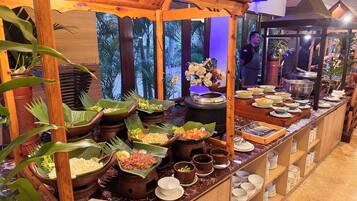
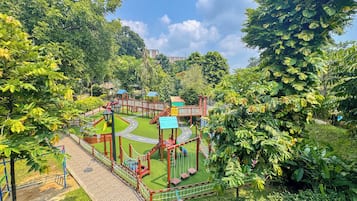

10. Lorin Syariah Solo Hotel
Lorin Syariah Solo Hotel4 km från Surakarta (SOC-Adisumarmo Intl.)
8.2 av 10, Mycket bra, (14 recensioner)
“Nyaman”

Heriyanto
Priset är 239 kr
inklusive skatter och avgifter
10 okt. – 11 okt.




11. HARRIS Hotel & Conventions Solo
HARRIS Hotel & Conventions Solo7,8 km från Surakarta (SOC-Adisumarmo Intl.)
10.0 av 10, Enastående, (4 recensioner)
Priset är 356 kr
inklusive skatter och avgifter
29 sep. – 30 sep.

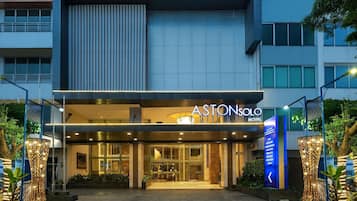


12. Aston Solo
Aston Solo7,9 km från Surakarta (SOC-Adisumarmo Intl.)
8.6 av 10, Utmärkt, (97 recensioner)
Priset är 503 kr
inklusive skatter och avgifter
29 sep. – 30 sep.
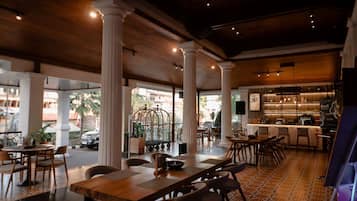

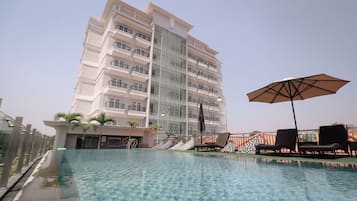

13. FIM by Zigna
FIM by Zigna9,7 km från Surakarta (SOC-Adisumarmo Intl.)
9.4 av 10, Enastående, (6 recensioner)
“The hotel is an excellent place to stay. The hotel itself is not special or fancy, but it is well-run, clean, and located in the center of Solo. The breakfast buffet is excellent, the restaurant is good, and the hotel also has a nice cafe with an outside seating area. They featured life music at the cafe on weekend evenings. We saw no other foreign guests, which we saw as a plus. Many staff members speak good English.”
Erzo
Priset är 308 kr
inklusive skatter och avgifter
16 sep. – 17 sep.




14. Mercure Solo
Mercure Solo7,5 km från Surakarta (SOC-Adisumarmo Intl.)
8.4 av 10, Mycket bra, (37 recensioner)
Priset är 335 kr
inklusive skatter och avgifter
20 sep. – 21 sep.

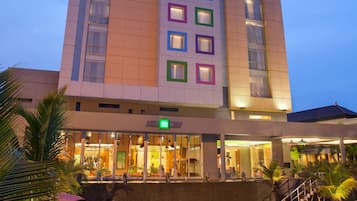


15. ibis Styles Solo
ibis Styles Solo9,6 km från Surakarta (SOC-Adisumarmo Intl.)
8.2 av 10, Mycket bra, (109 recensioner)
“Room nice and clean, staff was great and nice, breakfast was good and delicious and has pool is a plus.”
Endro
Priset är 259 kr
inklusive skatter och avgifter
5 okt. – 6 okt.
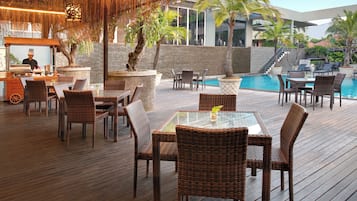

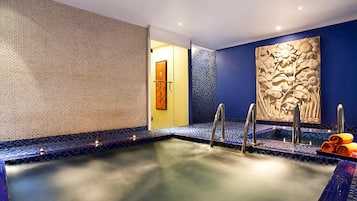

16. Novotel Solo
Novotel Solo9,6 km från Surakarta (SOC-Adisumarmo Intl.)
8.2 av 10, Mycket bra, (122 recensioner)
“Good location, close to Solo Balapan station and several traditional markets. Facilities looks a little bit old but it’s fine.”
Ela
Priset är 374 kr
inklusive skatter och avgifter
30 sep. – 1 okt.
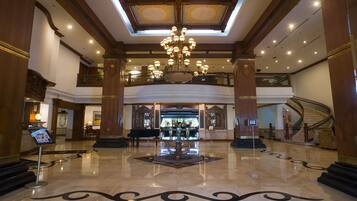


17. The Sunan Hotel Solo
The Sunan Hotel Solo7 km från Surakarta (SOC-Adisumarmo Intl.)
7.4 av 10, Bra, (6 recensioner)
“Comfortable room ”

Kwok Man Billie
Priset är 401 kr
inklusive skatter och avgifter
4 okt. – 5 okt.

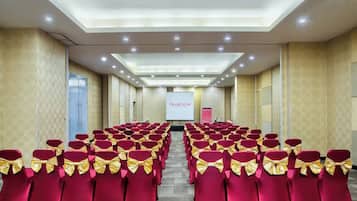


18. favehotel Manahan - Solo
favehotel Manahan - Solo6,7 km från Surakarta (SOC-Adisumarmo Intl.)
7.2 av 10, Bra, (45 recensioner)
“Ett av dom sämre fave hotellen, de va inte ett städat badrum och rummen var små men vi bodde bara där en natt så de va okej! Man får såklart inte någon uteplats eller pool och de ligger inne i stan.”
Fredrik
Priset är 263 kr
inklusive skatter och avgifter
29 sep. – 30 sep.
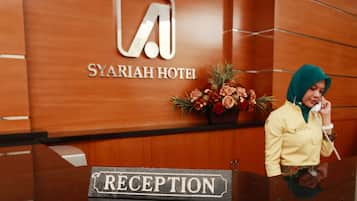

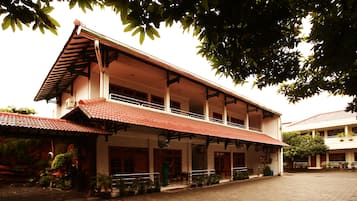
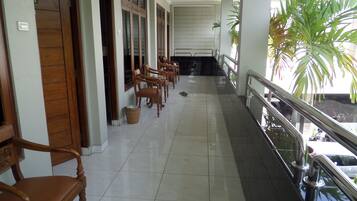
19. Arini Hotel
Arini Hotel7,9 km från Surakarta (SOC-Adisumarmo Intl.)
7.6 av 10, Bra, (8 recensioner)
“Good location”
Silvie
Priset är 148 kr
inklusive skatter och avgifter
16 sep. – 17 sep.



20. Lampion Hotel Solo
Lampion Hotel Solo8,2 km från Surakarta (SOC-Adisumarmo Intl.)
7.4 av 10, Bra, (6 recensioner)
“proses cek in agak lama, karena sesuatu hal. Selebihnya cukup baik”
E Suzana
Priset är 208 kr
inklusive skatter och avgifter
22 sep. – 23 sep.
Lägsta pris per natt som vi hittade under de senaste 24 timmarna, baserat på 1 natt för 2 vuxna. Priser och tillgänglighet kan ändras. Ytterligare villkor kan gälla.
Recensioner av topphotell nära Adisumarmo Intl.
Hotell med gratis transfer i Ngemplak

The Gambir Anom Hotel Resort & Convention
Jl. Embakasi Haji No. 24, Solo Ngemplak Central Java
7,4/10 Bra! (9 recensioner)