

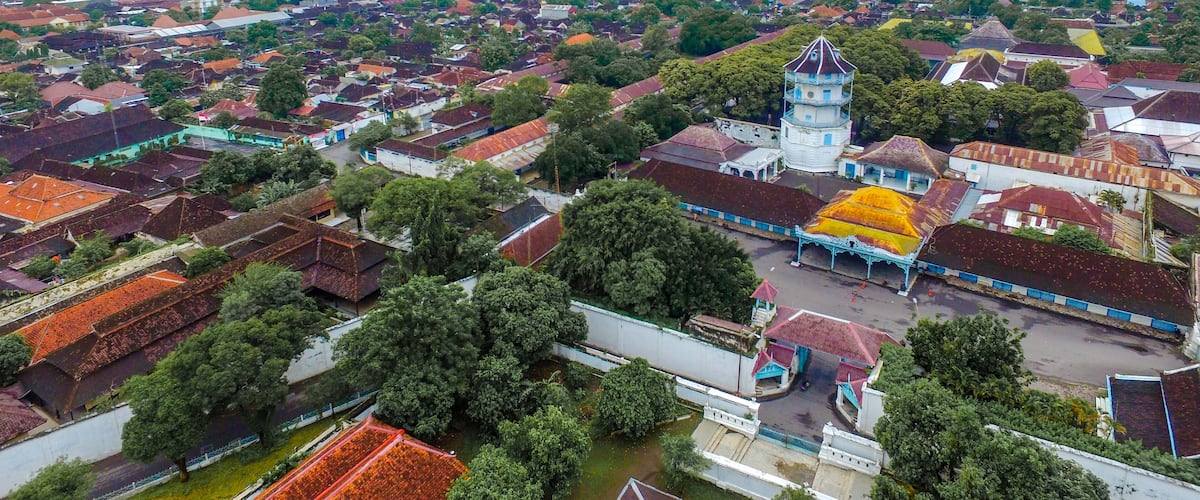
Billiga hotell i Surakarta
 Ändra digBoka hotell med gratis avbokning
 Var kräsenSök bland nästan en miljon boenden i hela världen
Kontrollera tillgänglighet för Billiga hotell i Surakarta
Ikväll
Imorgon
Till helgen
Nästa helg
Våra rekommendationer för billiga hotell i Surakarta



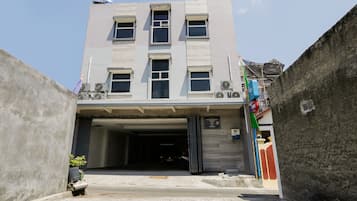
10.0 av 10, Enastående, (1 recension)
“慣れている人にとってはとても安価で良い滞在先になります。私はこの値段でこの設備なら大満足です。洗濯は翌日仕上げ3キロで300円、ホットシャワー、エアコン付きでこの値段は嬉しいです。共同の冷蔵庫もあり部屋にはテレビもあります。が、湯沸かしポットやカップ、石鹸などのアメニティは皆無です。ちょっと色がくすんだタオルがあるのみです。お湯も時々止まったりします。
そういうのがツライ人はお金を払ってもっと高級なホテルに泊まりましょう。”

Anonym resenär
Priset är 81 kr
inklusive skatter och avgifter
23 juni – 24 juni
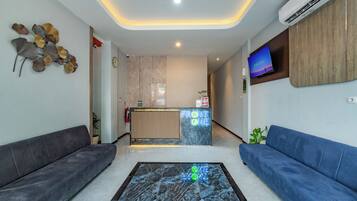


4.0 av 10, (1 recension)
Priset är 182 kr
inklusive skatter och avgifter
6 juli – 7 juli
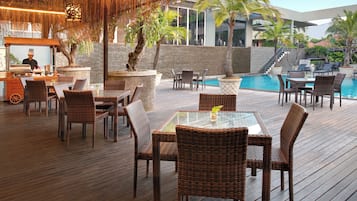



8.2 av 10, Väldigt bra, (116 recensioner)
“Good location, close to Solo Balapan station and several traditional markets. Facilities looks a little bit old but it’s fine.”

Ela
Priset är 383 kr
inklusive skatter och avgifter
28 juni – 29 juni




8.2 av 10, Väldigt bra, (104 recensioner)
“Perfect place for transit..........
Pool is delightful
Bubur Ayam for breakfast 😍”

Helen Julie
Priset är 275 kr
inklusive skatter och avgifter
25 juni – 26 juni
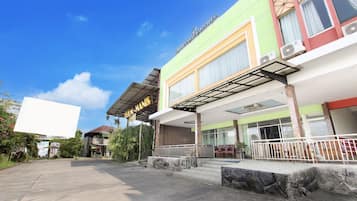
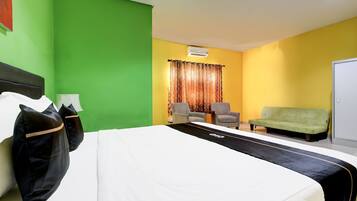
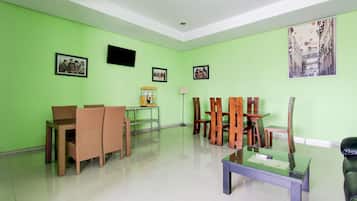
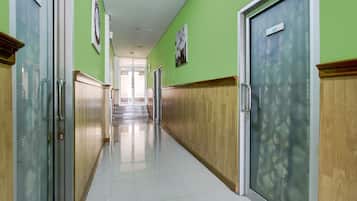
Priset är 72 kr
inklusive skatter och avgifter
6 juli – 7 juli
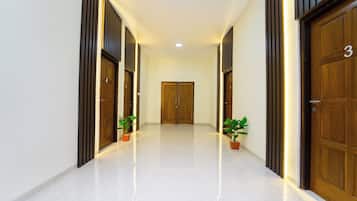


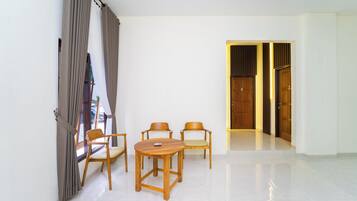
Priset är 155 kr
inklusive skatter och avgifter
22 juni – 23 juni
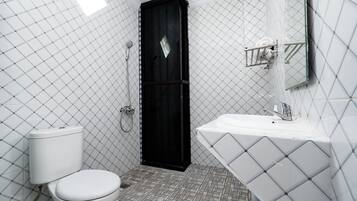
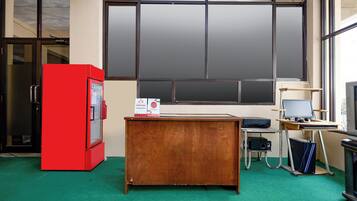
Priset är 80 kr
inklusive skatter och avgifter
22 juni – 23 juni




8.0 av 10, Väldigt bra, (1 recension)
“員工其實都不錯,挺主動幫忙。每天都有要求更換床單,但每天更換的床單都還是會有髒汙的地方。房間整體算乾淨,但提供瓶裝水只有兩罐200ML,有點小。早餐其實選擇性不多,水果不甜,但也是有好吃的餐點,咖啡常有咖啡渣,茶的味道花香太濃,牛奶在平常日不會提供。”

Hsin-Ping
Priset är 242 kr
inklusive skatter och avgifter
6 juli – 7 juli






Lägsta pris per natt som vi hittade under de senaste 24 timmarna, baserat på 1 natt för 2 vuxna. Priser och tillgänglighet kan ändras. Ytterligare villkor kan gälla.