Saker att göra i Centrala Java

Aktiviteter, attraktioner och turer

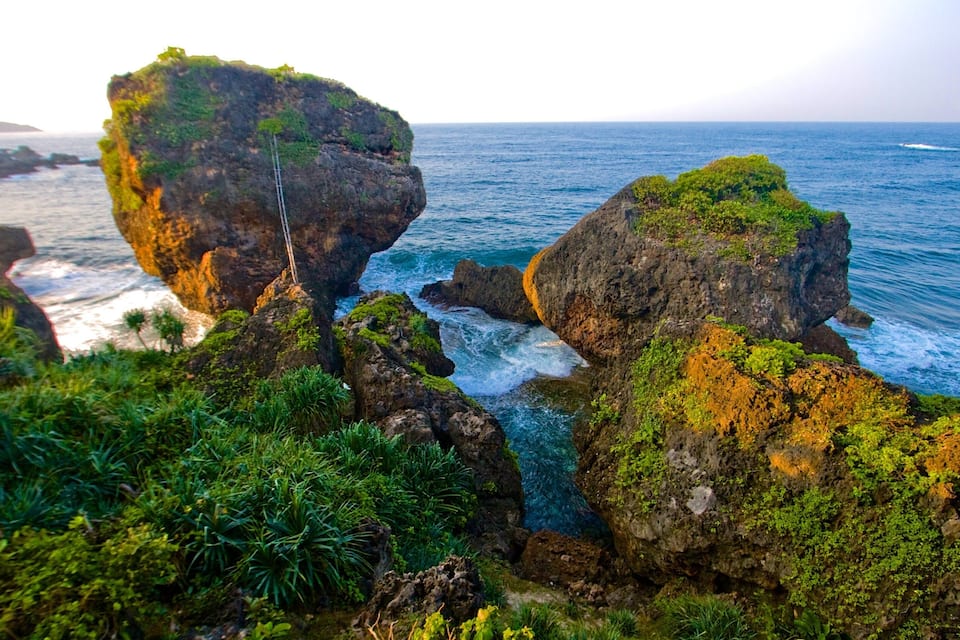
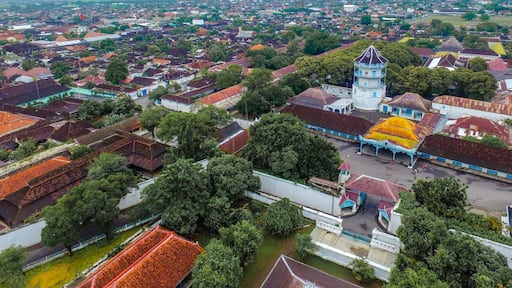
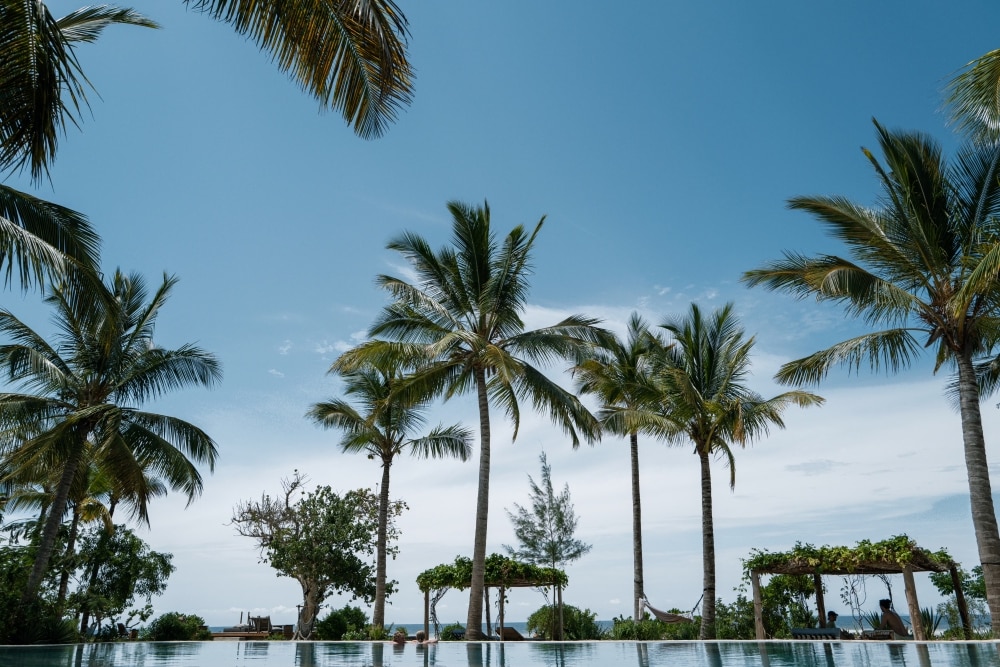
Centrala Java presenterar en strand, bÄtkörning och tropisk natur
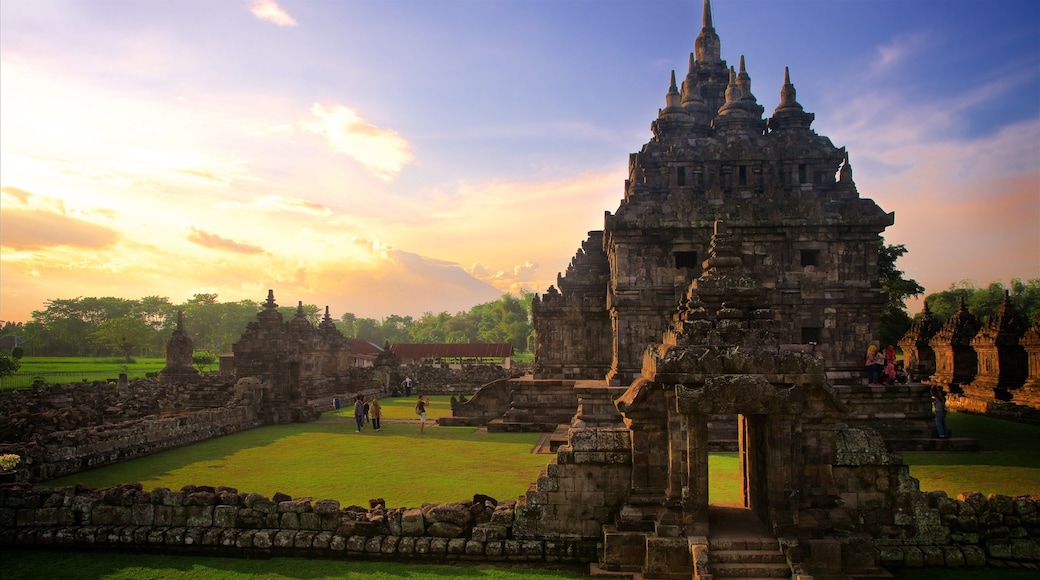
Templet Prambanan presenterar historisk arkitektur och ruiner
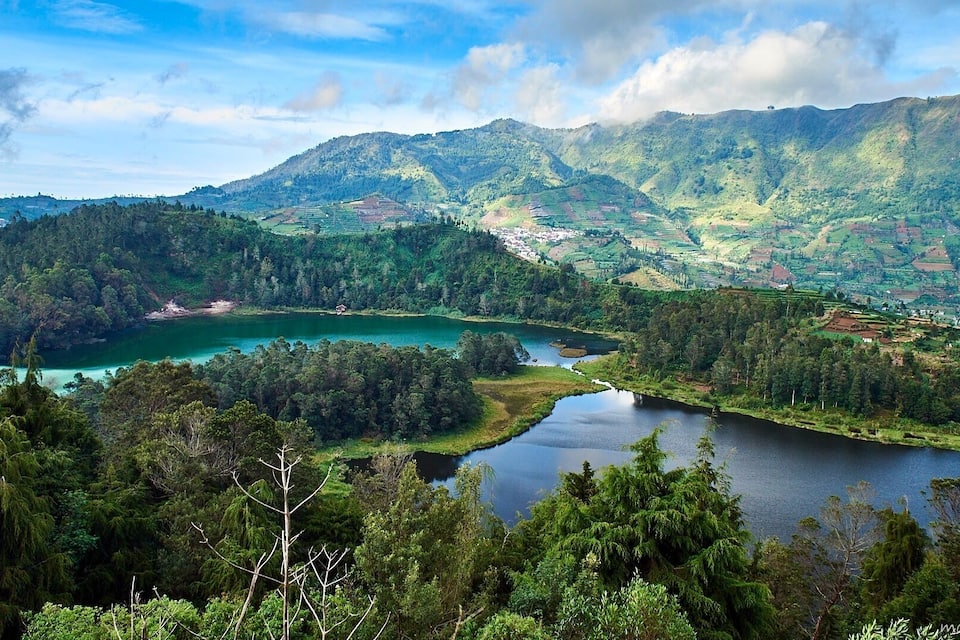
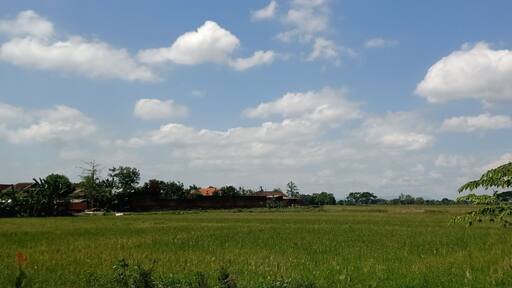
Centrala Java som visar landskap och en sandstrand
Centrala Java som inkluderar kustutsikter sÄvÀl som en kvinna

  • find price illustration

    Utforska aktiviteter

    Utforska tusentals upplevelser, frÄn aktiviteter och sevÀrdheter till dagsturer och transfers.
  • calendar shield illustration

    Boka enkelt och smidigt

    Hoppa över kön – boka biljetter online pĂ„ nĂ„gra minuter till de största sevĂ€rdheterna, med gratis avbokning pĂ„ mĂ„nga aktiviteter.
  • trophy illustration

    SkÀm bort dig sjÀlv

    Som medlem sparar du  % eller mer nÀr du bokar aktiviteter.


PopulÀra sevÀrdheter att besöka

OmrÄden i Centrala Java

At the museum no photos are allowed which is really unfortunate as it was well worth the visit and the guided tour is definitely not to be missed. In the museum there are even Batik made from the Dutch era which depicts stories like Little Red Riding Hood and Snow White!

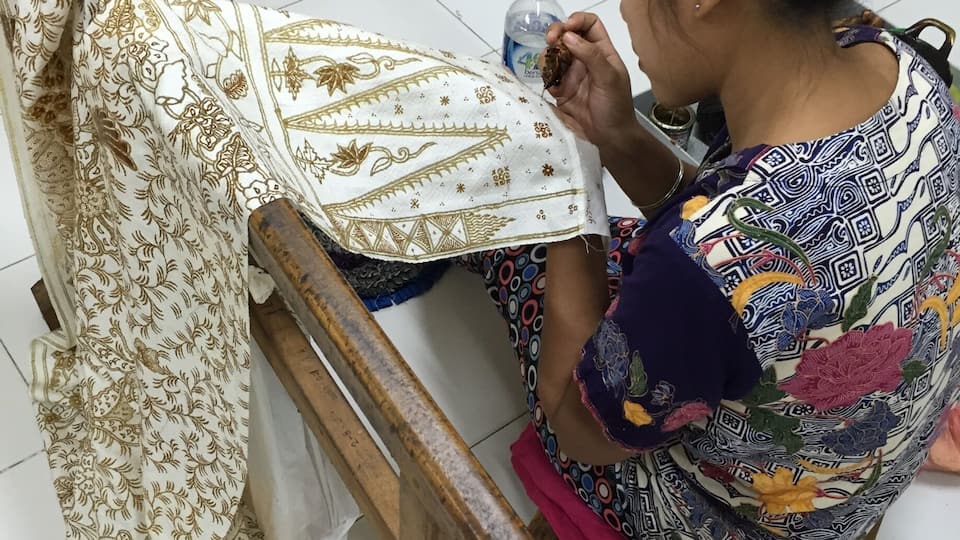
I enjoyed the tour v much and at the end of the tour we were brought to this room where the artisan were working on hand drawn batik.

Below is an excerpt from Wikipedia for anyone interested in learning more about the process of batik making.

Firstly, a cloth is washed, soaked and beaten with a large mallet. Patterns are drawn with pencil and later redrawn using hot wax, usually made from a mixture of paraffin or bees wax, sometimes mixed with plant resins, which functions as a dye-resist. The wax can be applied with a variety of tools. A pen-like instrument called a canting (IPA: [tʃantiƋ], sometimes spelled with old Dutch orthography tjanting) is the most common. A canting is made from a small copper reservoir with a spout on a wooden handle. The reservoir holds the resist which flows through the spout, creating dots and lines as it moves. For larger patterns, a stiff brush may be used. Alternatively, a copper block stamp called a cap (IPA: [tʃap]; old spelling tjap) is used to cover large areas more efficiently.

After the cloth is dry, the resist is removed by scraping or boiling the cloth. The areas treated with resist keep their original color; when the resist is removed the contrast between the dyed and undyed areas forms the pattern. This process is repeated as many times as the number of colors desired.

The most traditional type of batik, called batik tulis

Centrala Solo

Du kommer uppskatta museerna och djurparken i Centrala Solo. AvsÀtt lite tid för att besöka Solo Paragon Lifestyle-gallerian eller Keprabon Park.
Centrala Solo
Default Image

VĂ€stra Samarang

VÀstra Samarang kanske inte Àr kÀnt för sin sightseeing, men Lawang Sewu och DP Mall Semarang Àr tvÄ sevÀrdheter som du kan besöka i nÀrheten.

VĂ€stra Samarang
At the museum no photos are allowed which is really unfortunate as it was well worth the visit and the guided tour is definitely not to be missed. In the museum there are even Batik made from the Dutch era which depicts stories like Little Red Riding Hood and Snow White!

I enjoyed the tour v much and at the end of the tour we were brought to this room where the artisan were working on hand drawn batik.

Below is an excerpt from Wikipedia for anyone interested in learning more about the process of batik making.

Firstly, a cloth is washed, soaked and beaten with a large mallet. Patterns are drawn with pencil and later redrawn using hot wax, usually made from a mixture of paraffin or bees wax, sometimes mixed with plant resins, which functions as a dye-resist. The wax can be applied with a variety of tools. A pen-like instrument called a canting (IPA: [tʃantiƋ], sometimes spelled with old Dutch orthography tjanting) is the most common. A canting is made from a small copper reservoir with a spout on a wooden handle. The reservoir holds the resist which flows through the spout, creating dots and lines as it moves. For larger patterns, a stiff brush may be used. Alternatively, a copper block stamp called a cap (IPA: [tʃap]; old spelling tjap) is used to cover large areas more efficiently.

After the cloth is dry, the resist is removed by scraping or boiling the cloth. The areas treated with resist keep their original color; when the resist is removed the contrast between the dyed and undyed areas forms the pattern. This process is repeated as many times as the number of colors desired.

The most traditional type of batik, called batik tulis

Banjarsari

NÀr du besöker Banjarsari mÄste du passa pÄ att besöka sevÀrdheter som Solo Paragon Lifestyle-gallerian och Balekambangs stadspark.

Banjarsari
Default Image

Candisari

Candisari kanske inte Àr kÀnt för sin sightseeing, men Simpang Lima-parken och Ciputra Mall Semarang Àr tvÄ sevÀrdheter som du kan besöka i nÀrheten.

Candisari
Default Image

Semarang gamla stan

Semarang gamla stan Àr kÀnt för shoppingen, och du kan besöka berömda sevÀrdheter som Kota Lama Semarang och semarang samtida konstgalleri.
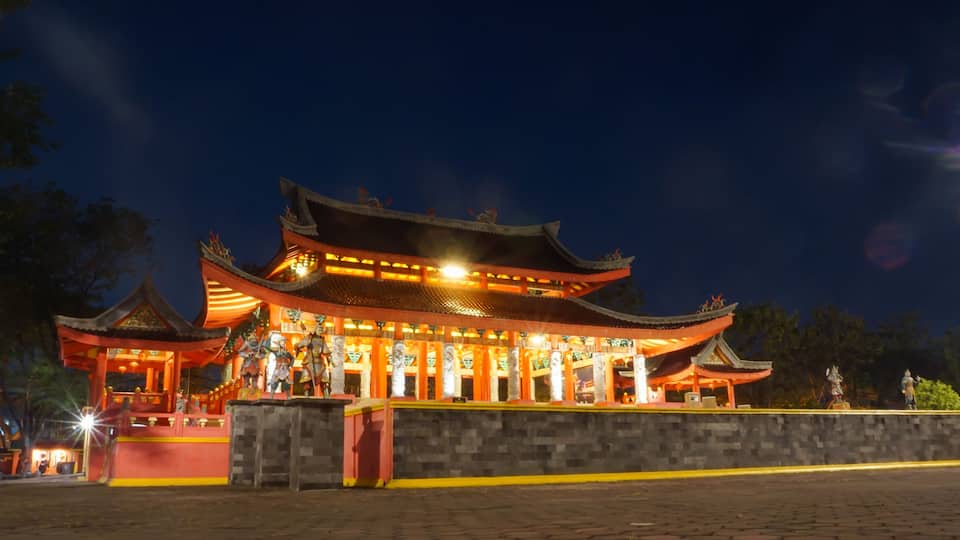
Semarang gamla stan
Default Image

Banyumanik

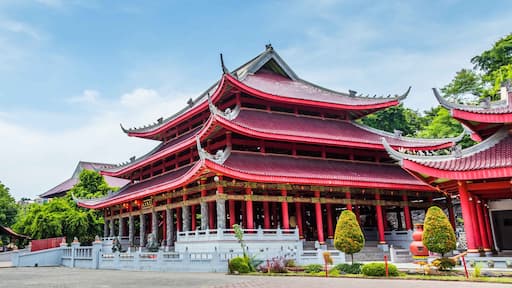
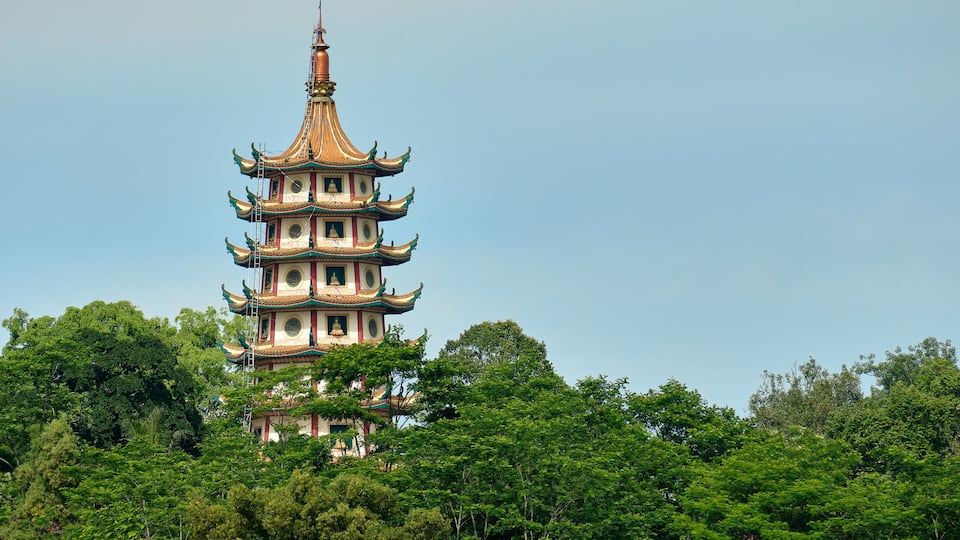
Om du ska tillbringa lite tid i Banyumanik Àr Transmart Setiabudi Semarang och Pagoda Avalokitesvara nÄgra av de frÀmsta sevÀrdheterna.

Banyumanik

StÀder nÀra Centrala Java