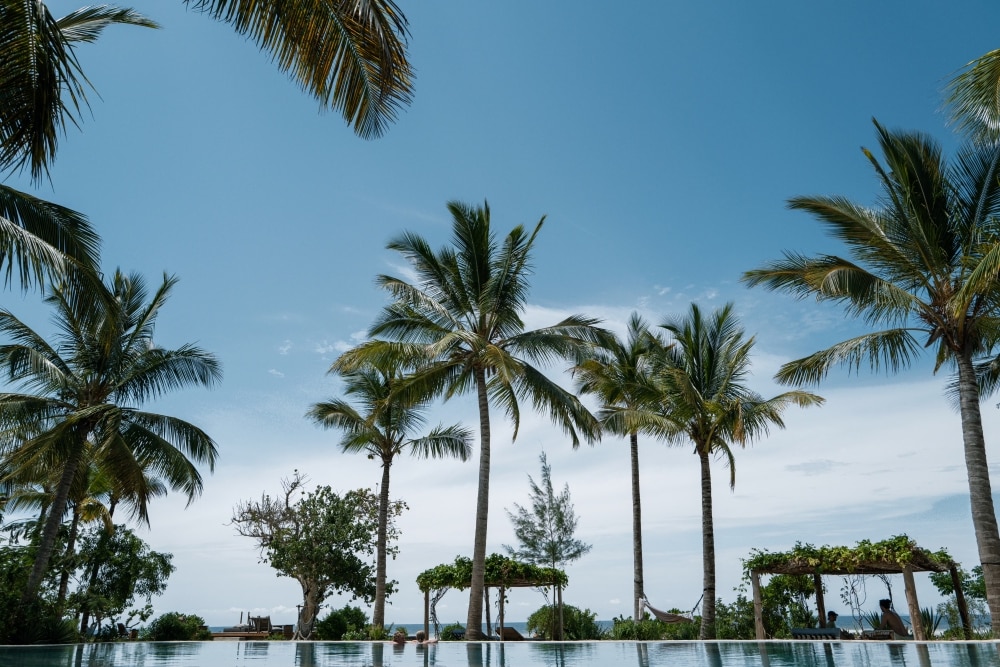

Tegalrejo
Reseguide

Res till Tegalrejo

Hotel Tentrem Yogyakarta
Jl. P. Mangkubumi 72A Yogyakarta Yogyakarta
Priset är 1 349 kr per natt mellan 18 okt. och 19 okt.
1 349 kr
18 okt. – 19 okt.
inklusive skatter och avgifter
Detta hotell i lyxstil ligger i Yogyakarta. Här har du tillgång till gratis frukost, gratis wi-fi och avgiftsfri parkering. De populära sevärdheterna Malioboro ...

Yogyakarta Marriott Hotel
Jalan Ringroad Utara, Condong Catur Depok
Priset är 1 184 kr per natt mellan 2 nov. och 3 nov.
1 184 kr
2 nov. – 3 nov.
inklusive skatter och avgifter
Detta hotell i lyxstil ligger i Depok. Här har du tillgång till gratis wi-fi, avgiftsfri parkering och fullständigt spa. Våra gäster brukar tala väl om den hjälpsamma ...

Hyatt Regency Yogyakarta
Jalan Palagan Tentara Pelajar Ngaglik Yogyakarta
Priset är 744 kr per natt mellan 28 okt. och 29 okt.
744 kr
28 okt. – 29 okt.
inklusive skatter och avgifter
Denna resort i lyxstil ligger i Ngaglik. Här har du tillgång till gratis wi-fi, avgiftsfri parkering och fullständigt spa. De populära sevärdheterna Malioboro ...
Lägsta pris per natt som vi hittade under de senaste 24 timmarna, baserat på 1 natt för 2 vuxna. Priser och tillgänglighet kan komma att ändras. Ytterligare villkor kan gälla.

Allure Villa Yogyakarta
Jl. Jambon Tengah Yogyakarta Jogja
Denna villa för affärsresenären ligger i Yogyakarta. Här har du tillgång till gratis wi-fi, avgiftsfri parkering och privata pooler. De populära sevärdheterna ...

Oakwood Yogyakarta
Jl. A.M. Sangaji No.36, Yogyakarta
Detta lägenhetshotell i lyxstil ligger i Yogyakarta. Här har du tillgång till avgiftsfri parkering, frukost och rumsservice dygnet runt. De populära sevärdheterna ...

House with 3 BR near XTSquare @Nitikan HouseA
Jogja Jogja
Denna semesterbostad ligger i Yogyakarta. Här har du tillgång till luftkonditionering. De populära sevärdheterna Malioboro Street och Lapangan Karang Kotagede ...
Lägsta pris per natt som vi hittade under de senaste 24 timmarna, baserat på 1 natt för 2 vuxna. Priser och tillgänglighet kan komma att ändras. Ytterligare villkor kan gälla.
Bo nära populära sevärdheter i Tegalrejo
Saker att göra

Garanterad tur med klättring på Borobudur och besök på Prambanan – allt ingår
223 kr
per vuxen
100 % av resenärer rekommenderar aktiviteten

Yogyakarta: Borobudur soluppgång (garanterad klättring upp) & Prambanan
166 kr
per vuxen
100 % av resenärer rekommenderar aktiviteten
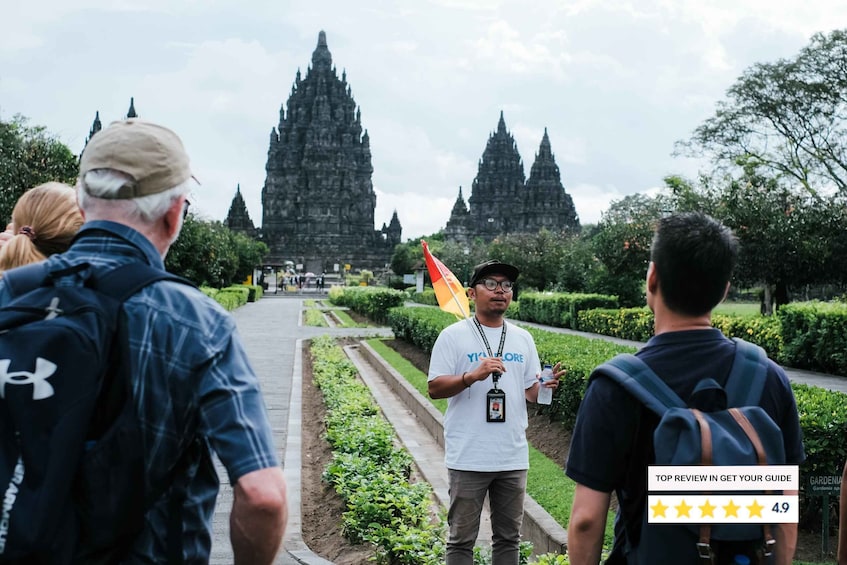
Yogyakarta: Borobudur klättring & Prambanan delad guidad tur
181 kr
per vuxen
100 % av resenärer rekommenderar aktiviteten
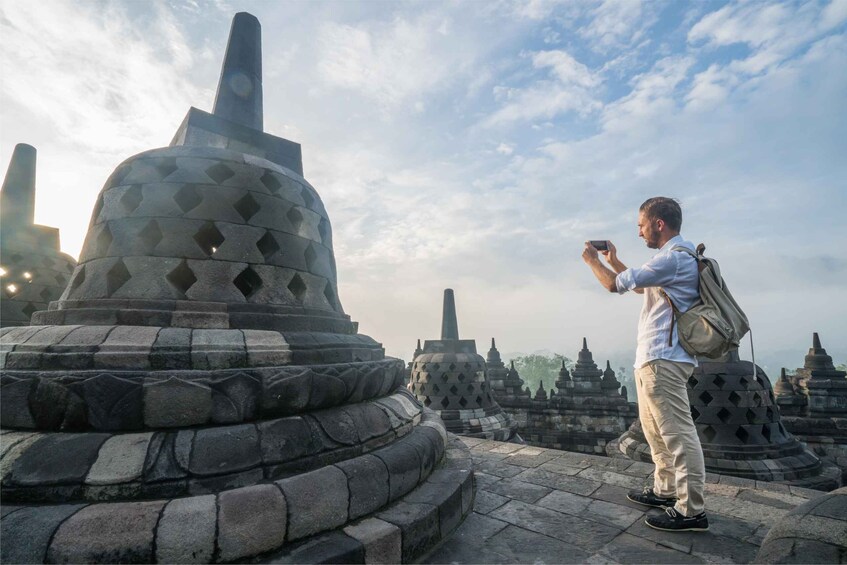
Yogyakarta: Borobudur soluppgång (klättring garanterad) & Prambanan
466 kr
per vuxen


Privat rundtur till tempelkomplexen Borobudur och Prambanan med upphämtning vid hotellet
445 kr
per vuxen

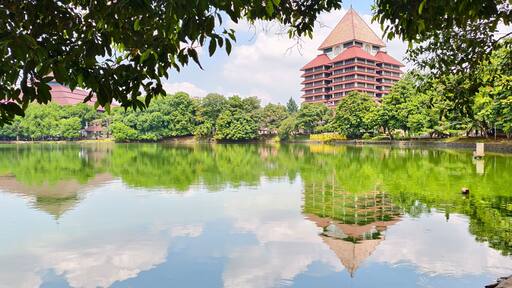
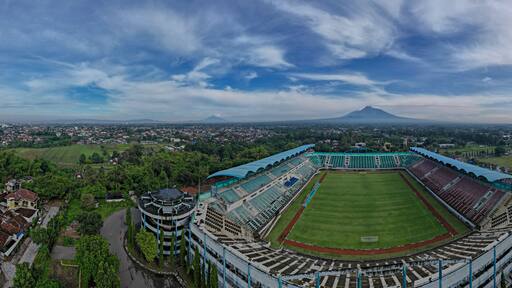

- Museum Sasana Wiratama
- Malioboro Street
- Templet Borobudur
- Templet Prambanan
- Malioboro Mall
- Alun Alun Kidul
- Gembira Loka Zoo
- Jogja shoppingcenter
- Plaza Ambarrukmo
- Ramayana Ballet
- Parangtritis Beach
- Galeria Mall
- Punthuk Setumbu kulle
- Sleman City Hall
- Pasar Beringharjo
- Yogyakartas kungliga palats
- Menduts buddhistkloster
- Lippo Plaza Jogja
- Imogiri
- Maguwoharjo stadion
- Pakualamanpalatset
- Sunan Kalijaga State Islamic University Yogyakarta